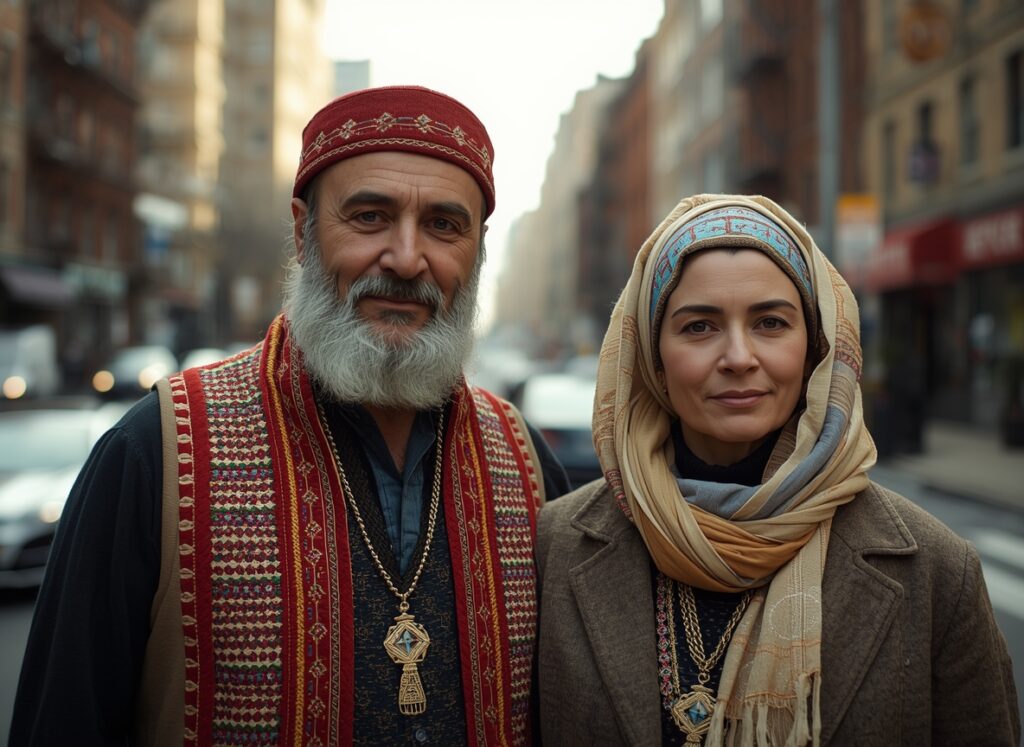
In New York City, Crimean Tatars often live between worlds—carrying a history marked by displacement, resilience, and a strong sense of cultural identity, while adapting to life in a fast-moving global city.
Language, family, and shared memory remain central, often preserved within close-knit relationships and cultural expression. At the same time, living in diaspora brings new influences and perspectives.
Within this tension, there is a quiet openness—where trust must be built with care. Through consistent friendship, cultural respect, and a compassionate witness to Jesus, meaningful conversations about identity, hope, and faith can gently take root.
Country of Origin
This people group is connected to Crimea, a region historically linked to Ukraine and Russia, where the Crimean Tatars maintain a distinct Muslim identity shaped by centuries of migration, exile, and resilience.
Where they are in New York City
This profile highlights a community with meaningful presence in Queens. These locations should be treated as ministry-oriented guidance for awareness and prayer.
Background
In the context of New York City, this people group may live between worlds—preserving treasured customs while adapting to urban life. That tension can open unique doors for prayer, care, and thoughtful gospel conversations.
Prayer Points
Pray that Crimean Tatar individuals and families would encounter the love of Jesus in a personal way that brings healing, identity, and hope.
Pray for openness to see Jesus not only as a historical figure, but as Savior—through Scripture, conversations, and lived experiences.
Pray for trust to grow through consistent and respectful relationships, where hearts can open over time.
Pray for the Holy Spirit to reveal Christ clearly, bringing understanding, peace, and assurance.
Pray for believers to walk with humility and courage, sharing the truth of the Gospel with love and sensitivity.
Scripture
Psalm 67:1–3
How to Engage
Pray regularly, learn respectful greetings, and look for simple opportunities for hospitality in neighborhoods where this community is present.
Research Note: People group classification, frontier status, and 10/40 Window references are based on Joshua Project mission categories.